
Smart Watering Guide
Diablo Water District is working to meet California’s water-use objectives and efficient outdoor watering plays an important part. Your biggest water savings are found outside. With Oakley’s sandy soils, efficient watering helps your landscape get the water it needs while reducing waste.
Our Irrigation Tool helps take the guesswork out of watering by providing a recommended schedule based on your landscape, sprinkler type and local weather conditions.
As the weather changes, so will your landscape’s watering needs. Check back weekly for the recommended number of watering days each week.
How to Use This Tool
Check your landscape and sprinkler type to find your recommended watering schedule.
For easy scheduling, set your irrigation controller to the recommended watering time and number of start times per watering day. Keep those settings the same and adjust the days per week based on the current recommendation. The number of watering days will update based on local weather conditions.
Suggested watering times are provided as a general guide. Actual watering needs may vary based on your landscape. The District is not responsible for landscape impacts resulting from the use of these recommendations.
|
|
|
|
|
|---|---|---|---|---|
| Days Per Week | Loading... | Loading... | Loading... | Loading... |
| Starts per Day | 3 | 3 | 3 | 3 |
| Mins per Start | 5 | 10 | 20 | 10 |
Get to Know Your Sprinklers
Different irrigation systems apply water at different rates. Knowing what type of irrigation you have can help you water more effectively and select the right schedule in our Irrigation Tool.
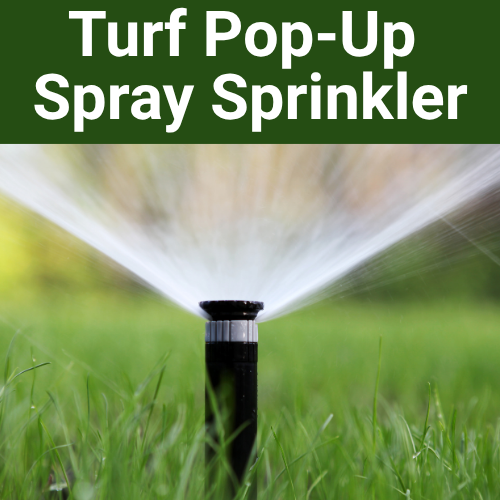
Pop-Up Spray Sprinklers (Typical Efficiency: 60%)
Pop-up sprays apply water quickly in a fixed spray pattern and are commonly used on smaller turf areas. Because they apply water at a faster rate, using shorter watering cycles can help reduce runoff.
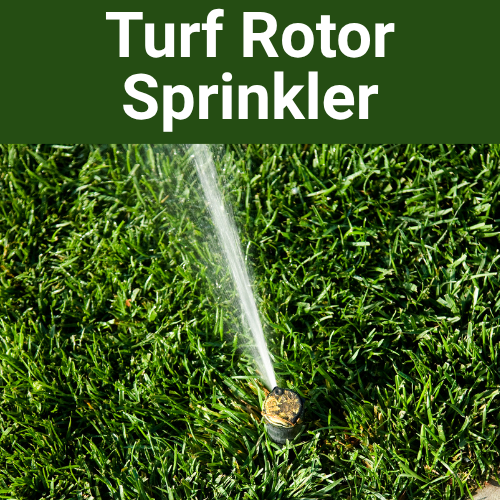
Rotor Sprinklers (Typical Efficiency: 70%)
Rotor sprinklers rotate a stream of water across the landscape and are commonly used for larger turf areas. They generally apply water more slowly than pop-up sprays, giving water more time to soak into the soil.
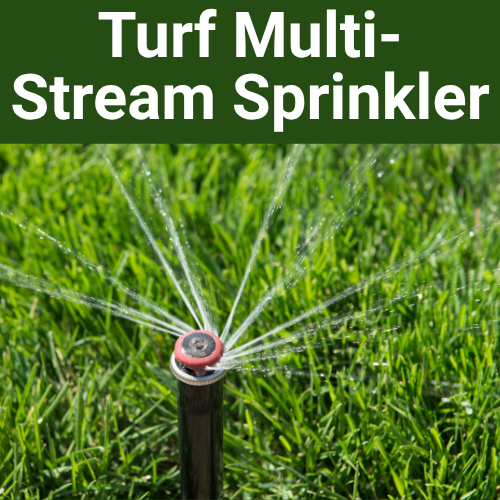
Multi-Stream Rotor Sprinklers (Typical Efficiency: 75%)
Multi-stream rotors use several rotating streams to apply water slowly and evenly across the landscape. Their slower application rate can help reduce runoff and give water more time to soak into the soil.
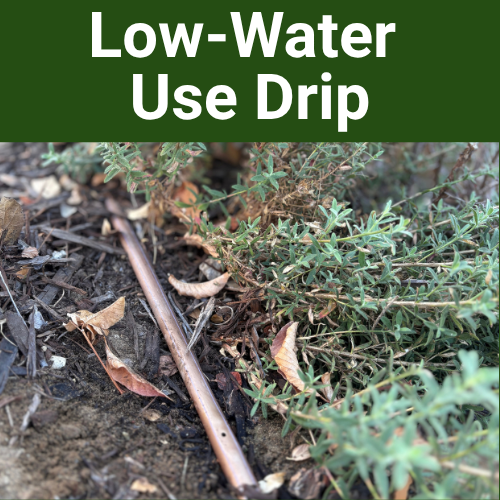
Drip Irrigation (Typical Efficiency: 90%)
Drip irrigation slowly delivers water directly to the root zone of plants. This helps reduce water lost to evaporation, overspray and runoff, making it a great choice for low-water-use landscapes.
Watering Tips
Water During Cooler Hours
Water between 8 pm and 8 am to reduce water lost to evaporation. We recommend allowing two hours between watering cycles to maximize irrigation efficiency.
Check Your Sprinklers
Inspect your irrigation system regularly for broken, clogged or misaligned sprinklers. Make sure water is reaching your landscape, not sidewalks, driveways or streets.
Get Smart
A smart irrigation controller can automatically adjust watering based on weather conditions and help prevent unnecessary watering when it rains. Look for the Watersense label!
Keep Water Where It’s Needed
Use mulch around trees and plants to help retain moisture and reduce evaporation. Keeping grass a little longer during the summer can also help shade the soil and retain moisture.
Prevent Runoff
If water begins running off your landscape, use shorter watering cycles with breaks in between. This gives water time to soak into the soil.